
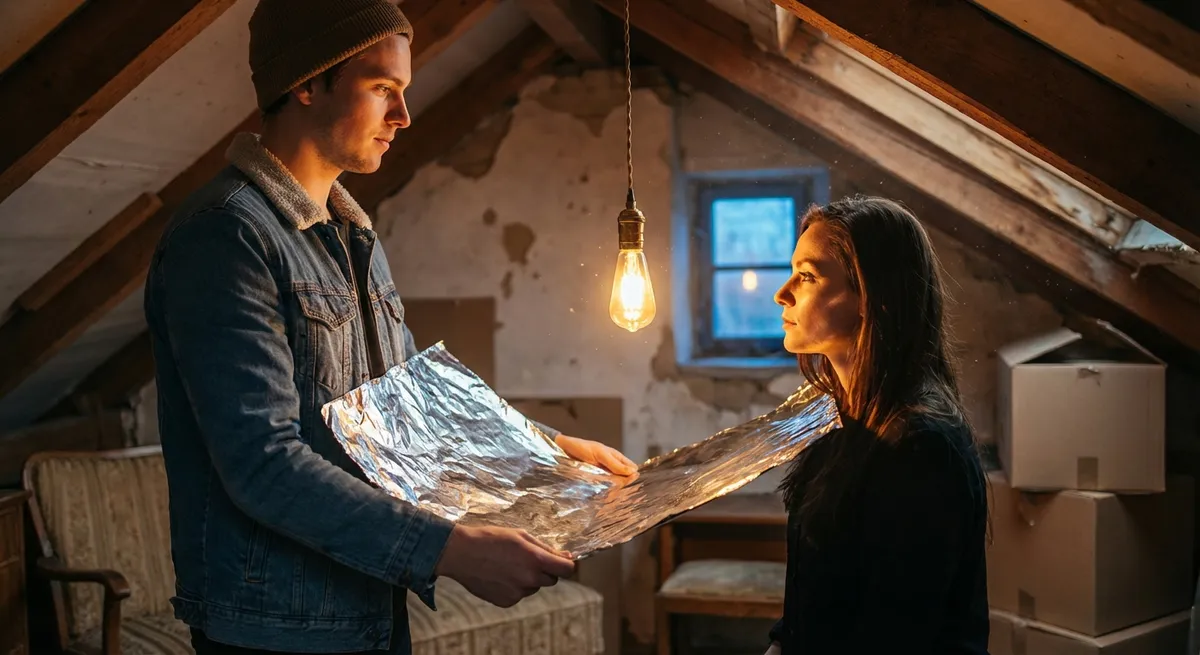
Portrait lighting is less about gear and more about how you see. With just a window, a lamp, or a single softbox, you can turn ordinary faces into cinematic characters and quiet moments into unforgettable images. Whether you shoot on a phone, a mirrorless camera, or a DSLR, learning to shape light is the closest thing photography has to real magic—and it’s a skill you can start mastering today.
In this guide, you’ll learn practical setups, go-to camera settings, and creative exercises that will help you transform your portraits from “nice snapshot” to “wow, who took that?”
The Foundation: Reading Light Before You Shoot
Before you touch a button, train your eye to ask three questions: Where is the light? How big is it? How soft or hard is it?
Think of light in three simple parts:
- Direction – Front, side, back, or above.
- Front light flattens and smooths.
- Side light sculpts and reveals texture.
- Backlight glows and separates your subject from the background.
- Top light is dramatic but unforgiving if not controlled.
- Size – Big light source = soft shadows. Small source = crisp, hard shadows.
- A cloudy sky, a huge softbox, or a large window is “big.”
- A bare bulb, phone flash, or the sun at noon is “small.”
- Quality – Soft vs. hard.
- Soft light: gentle transition between light and shadow; flattering for most faces.
- Hard light: sharp, defined shadows; dramatic and graphic.
Start by watching how light moves across faces in everyday life: on the bus, at a café, near a window at home. Notice how a slight turn of the head completely changes the mood. That sensitivity will guide your choices far more than any technical spec sheet.
Essential Camera Settings for Portraits
You don’t need complex settings to make beautiful portraits. Aim for consistency and control, then refine.
General starting points (mirrorless/DSLR)
- Mode: Aperture Priority (A/Av) or Manual (M)
- Aperture: f/1.8–f/2.8 for dreamy blur, f/3.5–f/5.6 for groups or sharper detail
- Shutter Speed:
- At least 1/125s for posed portraits
- 1/250s or faster if people are moving or you’re handholding a longer lens
- ISO:
- Start at ISO 100–400 in bright or well-lit interiors
- ISO 800–1600+ in low light (modern cameras handle this well)
- Focal length:
- Full-frame: 50–135mm
- APS-C: 35–85mm
- Micro 4/3: 25–60mm
Longer focal lengths compress features and flatter faces.
Focusing for portraits
- Use single-point AF on the near eye.
- Switch to continuous AF (AF-C/AI-Servo) if your subject is moving.
- Use eye-detection AF if your camera has it—it’s a game changer.
For smartphone shooters
- Tap on the eye closest to the camera to focus.
- Use Portrait Mode for background blur, but pay attention to how it handles hair and edges.
- Lower the exposure slightly using the on-screen slider—slightly darker portraits often look richer and more professional.
Classic Portrait Lighting Patterns (and How to Nail Them)
These timeless patterns come from studio portraiture, but you can recreate all of them with a window or a single light. Imagine the subject in a chair and you walking your light around them in an invisible circle.
1. Rembrandt Lighting: Cinematic and Sculpted
Look for: A small triangle of light on the shadow-side cheek, under the eye.
How to set it up (window or single light):
- Place your subject near a window.
- Stand so the window is about 45–60° to one side of your subject and slightly above eye level.
- Rotate your subject’s face slightly back toward the window until a triangle of light appears under the far eye.
- Darken the background by having your subject stand a few feet away from walls.
Suggested settings (indoors near a window):
- Aperture: f/2.0–f/3.2
- Shutter: 1/160s
- ISO: 400–800
This pattern gives depth, character, and drama—perfect for moody portraits and storytelling images.
2. Loop Lighting: Flattering and Versatile
Look for: A small shadow of the nose looping slightly onto the cheek, but not connecting with the cheek shadow.
How to set it up:
- Light (or window) is 30–45° off to one side of the camera and slightly above the subject’s eye level.
- Ask your subject to turn their head slightly toward the light.
- Adjust until the nose shadow just touches the cheek without merging into a big dark area.
Suggested settings (indoor, continuous light or bright window):
- Aperture: f/2.8–f/4
- Shutter: 1/125–1/200s
- ISO: 400–800
Loop lighting is flattering on most faces and works beautifully for everything from headshots to romantic couple portraits.
3. Butterfly Lighting: Glamour and Glow
Look for: A small butterfly-shaped shadow under the nose; even light across both cheeks.
How to set it up:
- Place your light directly in front of the subject, slightly above eye level.
- For a window: stand the subject facing the window, and you stand right between the subject and window (or just behind your camera).
- For an artificial light: put a softbox or ring light just above and behind the camera, tilted down slightly.
Pro tip: Place a white reflector or even a big piece of white cardboard below the chin to bounce light back up and soften under-eye shadows.
Suggested settings (beauty/glamour look):
- Aperture: f/3.5–f/5.6
- Shutter: 1/160–1/200s
- ISO: 100–400 depending on intensity
Butterfly lighting is beautiful for beauty portraits, makeup shots, and classic, glamorous looks.
4. Split Lighting: Bold and Dramatic
Look for: One half of the face lit, the other half in deep shadow.
How to set it up:
- Place your light 90° to one side of the subject’s face.
- Rotate the subject until the line between light and shadow runs straight down the nose.
- Use a black backdrop or a dim environment to emphasize contrast.
Suggested settings (dramatic portrait):
- Aperture: f/2.8–f/4
- Shutter: 1/160–1/200s
- ISO: 100–400
Use this for character portraits, musicians, athletes, or anytime you want intensity and mystery.
Natural Light Portraits: Turning Any Window Into a Studio
Natural light is free, beautiful, and surprisingly controllable once you start thinking like a painter.
Window light setup
- Find your window: North-facing windows or windows in the shade are ideal—soft, consistent light.
- Turn off overheads: Mixed light (daylight + warm bulbs) can cause weird color casts.
Placement:
- For soft side light (Rembrandt/loop): seat your subject about 1–2 meters from the window, turned slightly toward it. - For front light (beauty): position them facing the window.
Control contrast:
- Hang a sheer curtain or white sheet to soften harsh light. - Use a white wall or foam board opposite the window to bounce light back into the shadows.
Indoor natural light baseline settings:
- Aperture: f/1.8–f/3.5
- Shutter: 1/160s
- ISO: 400–1600 depending on brightness
If your shutter speed drops below 1/125s, increase ISO; sharpness beats a little noise every time.
Flash & Continuous Light: Making Your Own Sun
Artificial light lets you shape your vision anytime, anywhere—once you tame it.
Continuous light (LED panels, lamps)
- Great for beginners because what you see is what you get.
- Place an LED panel through a white umbrella, behind a softbox, or bounce it off a white wall to soften it.
- Match color temperature:
- Daylight LEDs: around 5500–5600K
- Tungsten bulbs: around 2800–3200K
Set your white balance manually to avoid strange skin tones.
Off-camera flash basics
- Start simple: one flash, one modifier (umbrella or softbox).
Camera settings (manual mode):
- ISO: 100–200 - Shutter: 1/160–1/200s (at or below flash sync speed) - Aperture: f/2.8–f/5.6 depending on depth of field desired
Adjust exposure:
- Keep ISO and shutter mostly fixed; - Change flash power and aperture to get the brightness right.
Softening the flash:
- Use a softbox/umbrella. - Move the light closer to the subject for softer, more flattering light.
Think of flash not as a harsh pop of light, but as a portable window you can place anywhere you want.
Creative Portrait Lighting Exercises
These exercises are designed to push you past “safe” and into interesting. Try them with any camera, indoors or out.
Exercise 1: One Window, Four Moods
Pick a single window and shoot the same person in four different lighting patterns: butterfly, loop, Rembrandt, split.
- Use Manual or Aperture Priority.
- Keep aperture and ISO similar; adjust only shutter speed as needed.
- Afterward, compare:
- Which pattern feels most flattering?
- Which best fits a serious vs. playful expression?
This will teach you that the direction of light affects the story as much as the technical quality.
Exercise 2: The “One Meter Dance”
Stand your subject near a window or a lamp. Without moving the light:
- Take a portrait.
- Move your subject one meter closer to the light; shoot again.
- Move them one meter farther from the light; shoot again.
- Finally, keep distance but have them rotate slowly in place while you shoot.
Notice how the contrast, catchlights in the eyes, and shadow depth change—even though the room and gear stayed the same. This will sharpen your understanding of distance and angle.
Exercise 3: Backlight & Silhouette Storytelling
At sunset or near a bright window:
- Place your subject with the light behind them.
For a glowing rim light portrait:
- Expose for the face (higher ISO, wider aperture). - Let the background go bright and dreamy.
For a silhouette:
- Expose for the bright sky/window. - Let the subject fall into shadow.
Use their body and profile to tell a story without showing much detail. This forces you to think about shape and outline instead of just facial expression.
Exercise 4: Color Temperature Play
Use two different light sources:
- A warm tungsten lamp (around 3000K).
- Cool daylight from a window (around 5500K).
- Place your subject so one side of their face is lit by the window, the other by the lamp.
- Set your camera’s white balance to “Daylight.”
- Observe how the lamp side goes very warm and the window side stays neutral.
- Then set white balance to “Tungsten” and watch the colors flip.
This experiment helps you understand how color temperature shapes mood—and why custom white balance matters for clean skin tones.
Directing Your Subject to Match the Light
A beautifully lit face still falls flat if the pose fights the lighting.
- Turn into the light for softer, more open portraits.
- Turn slightly away from the light for mystery and mood.
- Ask for micro-movements: “Chin down just a bit,” “Eyes to me, not the camera,” “Tilt your forehead toward the light.”
- Match expression to light:
- Soft, open light → relaxed, warm expressions.
- Hard, contrasty light → stronger gaze, more intensity.
Remember: you’re not just lighting a face; you’re lighting a feeling.
Conclusion
Portrait lighting isn’t about memorizing rules; it’s about learning a language. Once you understand how direction, size, and quality of light shape a face, you can speak in whispers with soft window light or shout with bold, dramatic shadows.
Start with one light source, one face, and one room. Practice the classic patterns, push yourself with creative exercises, and pay attention to how each tiny change in angle or distance transforms the story you’re telling. Over time, you’ll stop finding good light and start making it—anywhere, with anyone, with whatever tools you have.
Your next unforgettable portrait is already in the light around you. All that’s left is to see it—and capture it.
Sources
- [Canon: Portrait Lighting – Understanding the Basics](https://www.canon-europe.com/pro/infobank/portrait-lighting/) - An overview of classic portrait lighting patterns and how to position lights effectively
- [Nikon Learn & Explore: Portrait Photography Tips](https://www.nikonusa.com/en/learn-and-explore/a/tips-and-techniques/portrait-photography-tips.html) - Practical advice on camera settings, posing, and lens choices for portraits
- [Harvard University Digital Photography Course Materials](https://digitalmediaacademy.harvard.edu/digital-photography) - Educational resources covering exposure, lighting fundamentals, and image-making principles
- [DPReview: Understanding Kelvin and White Balance](https://www.dpreview.com/articles/1073423047/understandingwhitebalance) - Clear explanation of color temperature and how it affects skin tones and mood
- [B&H Explora: Introduction to Off-Camera Flash](https://www.bhphotovideo.com/explora/photography/tips-and-solutions/take-control-your-light-introduction-off-camera-flash) - Detailed guide to setting up and using off-camera flash for portrait work